Virtual Assistant Requirements Graphics
As a brand designer and content marketer, I often look for design assets that not only catch the eye but also support clear communication. The Virtual Assistant Requirements vector infographic template is one such asset that offers a structured approach to visual storytelling. It’s ideal for marketing professionals, small business owners, and creative entrepreneurs who need to present complex information in an easy-to-digest format.
First Impressions: A Clean and Professional Mood
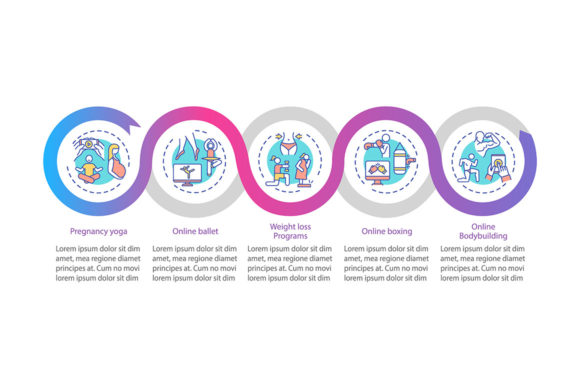
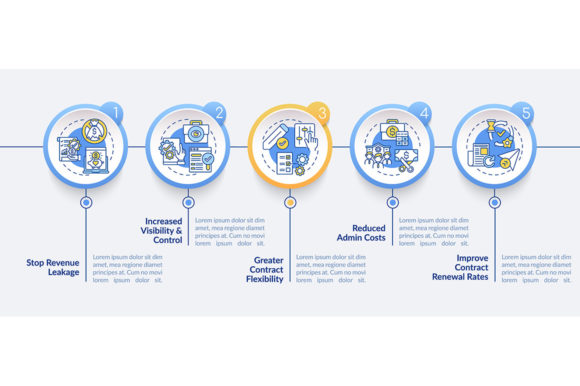
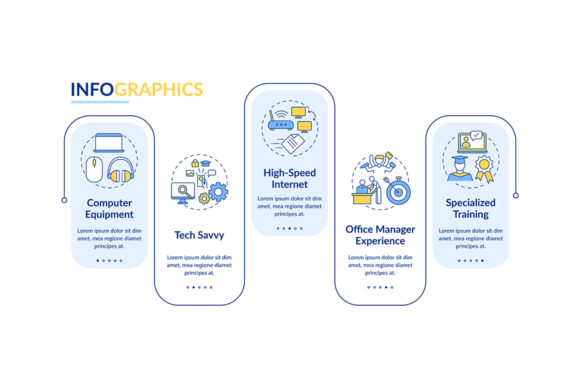
The first thing that stands out about Virtual Assistant Requirements is its clean, modern aesthetic. The use of linear icons and a process timeline chart creates a sense of order and professionalism. This design feels right at home in premium branding, editorial graphics, or commercial marketing materials. It doesn’t scream for attention, but it commands respect through its simplicity and clarity.
The data visualization with 5 steps is particularly effective. It gives a clear narrative arc, making it perfect for explaining workflows, onboarding processes, or service offerings. Whether you're launching a new product or promoting a seasonal offer, this design can help your message land more effectively.
Real-World Applications in Branding and Marketing
In real marketing situations, Virtual Assistant Requirements can be a powerful tool. It fits seamlessly into brand identity, logo design, and packaging design. For example, if you're refreshing your social media visuals or building a content kit, this infographic can serve as a consistent visual element across all platforms.
It works well for Instagram posts, Pinterest pins, and Facebook ads. Its structured layout ensures that even in a crowded feed, your message remains clear. When used in digital ads or blog graphics, it enhances visual hierarchy without overwhelming the viewer.
For content creators, this asset can be part of a larger design bundle. Whether you're creating printable promotions, email banners, or editorial layouts, the Virtual Assistant Requirements template adds a layer of professionalism that elevates your overall campaign.
Supporting Marketing Goals with Visual Clarity
One of the strongest aspects of Virtual Assistant Requirements is how it supports marketing goals. It helps create a stronger first impression by presenting information in a visually appealing way. This is especially important when trying to build audience trust and recognition.
The design encourages better product presentation by breaking down complex ideas into digestible steps. It also improves engagement by guiding the viewer through a logical flow. Whether you're designing packaging inserts or preparing a digital campaign, this asset can make your visuals more memorable and impactful.
Its linear structure also supports emotional connection. By simplifying the user journey, it makes your brand feel more approachable and reliable. This is crucial for small business branding, where every visual element must work hard to stand out in a competitive space.
Where Virtual Assistant Requirements Shines
This design excels in hero graphics, campaign headers, and product launch visuals. It’s ideal for branded templates, social media covers, and packaging accents. When integrated into content bundles or promotional banners, it adds a cohesive and professional touch to your overall brand presence.
Editorial layouts also benefit from its structured approach. Whether you're creating a media kit or a lead magnet, the clarity of Virtual Assistant Requirements ensures that your message is both informative and visually compelling.
Where to Use with Caution
While versatile, Virtual Assistant Requirements may not be the best fit for formal corporate branding. Its minimalist style might not align with high-end or traditional industries that prefer more elaborate designs. In dense information layouts, it could become lost among other elements.
Small mobile graphics may also pose a challenge. The linear icons and process timeline require enough space to remain legible. Similarly, low-contrast backgrounds could make the design less effective. Overly minimal brands or text-heavy ads may find the asset competing with the main message rather than supporting it.
Practical Designer Notes
Before finalizing any project, test Virtual Assistant Requirements with your brand color palette. Check how it looks in black and white and ensure it maintains its integrity. Place it inside real campaign mockups to see how it interacts with other design elements.
Preview it on mobile screens to confirm readability in smaller sizes. Compare it against competitor visuals to ensure it stands out while still fitting within your brand’s visual language. Test it with different font styles—serif, sans serif, script, handwritten, and display—to see which combinations work best.
Review spacing and balance to ensure the design doesn’t feel cluttered. Finally, always confirm the commercial license before using it in paid campaigns, client work, or business branding. This ensures you’re fully compliant and can leverage the asset without legal concerns.
Conclusion: A Valuable Addition to Your Design Toolkit
Virtual Assistant Requirements is more than just a graphic design asset—it’s a tool that supports effective communication and visual consistency. Whether you're working on social media graphics, digital ads, or brand identity projects, this infographic template can help you create content that attracts attention without looking messy or unprofessional.
For content marketers, small business owners, and creative entrepreneurs, it’s a practical solution that bridges the gap between creativity and clarity. With the right application, it can elevate your campaign visuals and help you connect more deeply with your audience.