Video Learning Vector Infographic Graphics
As a graphic designer with years of experience in branding, marketing visuals, and digital design assets, I often seek out high-quality creative design elements that can elevate a client’s project. The Video Learning Vector Infographic caught my attention for its unique blend of visual storytelling and structured data representation. This graphic design asset offers a compelling way to communicate processes, timelines, and information in a visually engaging format.
First Impressions and Visual Mood
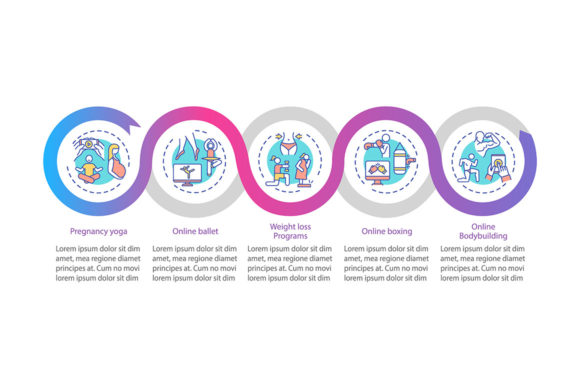
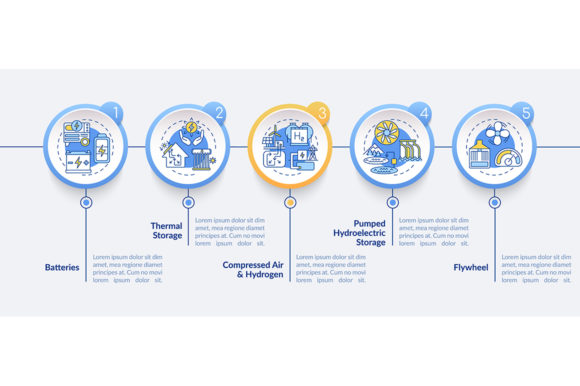
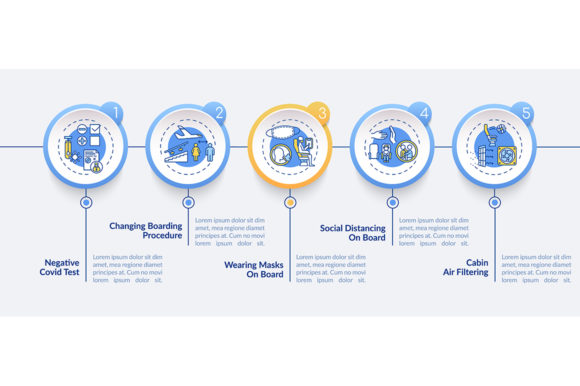
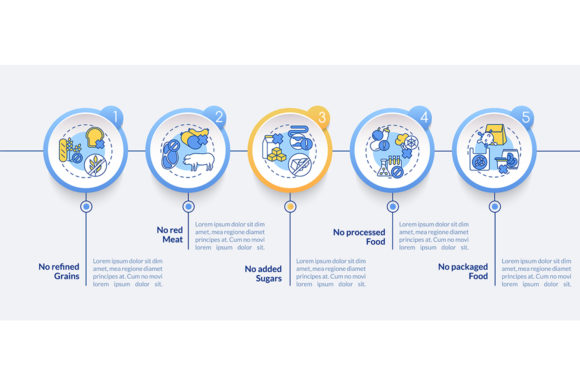
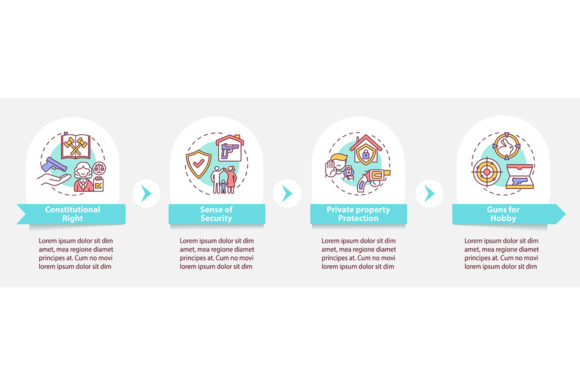
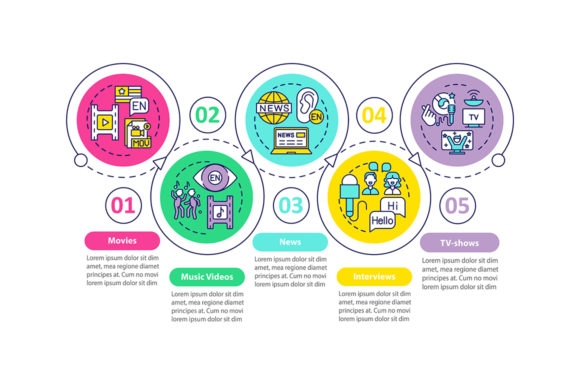
The Video Learning Vector Infographic immediately evokes a sense of clarity and motion. Its use of linear icons, timeline charts, and data visualization elements creates a modern design that feels both professional and approachable. The style leans toward a clean, informative aesthetic—perfect for projects that require a balance between creativity and structure.
This infographic template is ideal for clients working on educational content, business process documentation, or presentations that need a visual aid. It also has a subtle cinematic feel, making it suitable for brands that want to incorporate media-related themes into their identity, such as film studios, news outlets, or entertainment-focused businesses.
Real-World Design Applications
In a recent project for a handmade brand launching a seasonal product line, I considered using the Video Learning Vector Infographic to illustrate the production process. The asset provided a clear framework for showing how each step of the creation journey fits together, which helped the client communicate their story more effectively.
This design asset can be used across a wide range of mediums. For example, in logo design, it could serve as a background element or part of a brand’s visual system. In packaging design, it might appear on product labels or promotional materials. As a Canva template, it offers flexibility for users who need a quick yet polished layout for social media graphics or editorial design.
For print-on-demand sellers and Etsy product creators, the Video Learning Vector Infographic can be adapted into t-shirt designs, sticker design, or printable wall art. Its vector format ensures scalability without loss of quality, making it a valuable addition to any design bundle.
Best Use Cases
The Video Learning Vector Infographic excels in large layout areas where it can act as a hero graphic or central visual element. It works well in product mockups, especially when showcasing a process or workflow. As a decorative accent, it adds depth and context to themed collections or campaign visuals.
It also serves as a strong supporting brand element in packaging details, website graphics, or blog visuals. Its structured layout makes it an excellent choice for editorial design, where clarity and organization are key. When paired with a strong typography system, it enhances the overall visual hierarchy of a design project.
Use with Caution
While the Video Learning Vector Infographic is versatile, it may not be the best fit for every project. In small sizes, the details can become lost, and in crowded layouts, it may compete with other elements rather than complement them. On complex backgrounds, the contrast might not be sufficient to maintain readability.
Minimalist branding or professional corporate materials may find the infographic too busy or stylized. For these cases, a simpler design would better align with the desired tone and message.
Impact on Branding and Design Quality
When used appropriately, the Video Learning Vector Infographic can significantly enhance the professionalism and polish of a design project. It supports visual trust by presenting information in a clear and structured way, which helps build audience engagement and emotional appeal.
For small business branding, this asset can help create a cohesive look that reinforces brand recognition. It also contributes to a stronger sense of brand consistency, especially when integrated into multiple touchpoints like social media posts, marketing visuals, or web design elements.
Practical Designer Notes
Before finalizing any design project, I always test the Video Learning Vector Infographic in black and white to ensure it remains effective without color. Checking contrast on light and dark backgrounds is essential, especially if the asset will be used in digital ads or social media graphics.
Previewing the design at different sizes helps identify potential issues with legibility or detail loss. Placing it on real mockups—whether for a t-shirt design, product packaging, or a Cricut project—gives a better sense of how it will perform in the final application.
Reviewing file formats is crucial. If the asset includes PNG design or SVG design files, I inspect the transparency and editability to ensure they meet the project's needs. Comparing it with various font styles—serif, sans serif, script, or display fonts—helps determine the best typographic pairing.
Finally, confirming commercial licensing is a must before using the Video Learning Vector Infographic for a client or business project. This ensures that the design asset can be used without legal concerns, especially for print-on-demand or digital product sales.
Conclusion
The Video Learning Vector Infographic is a powerful tool for designers looking to add visual interest and clarity to their work. Whether used in a handmade business campaign, a digital product launch, or a print-on-demand project, it offers a flexible and professional solution for communicating complex ideas in a simple, engaging way.
By understanding its strengths and limitations, designers can make informed decisions about when and how to use this graphic design asset. For those seeking to enhance their creative marketplace offerings or support a client’s branding efforts, the Video Learning Vector Infographic is worth considering as part of a well-rounded design toolkit.