Modern Multipurpose Infographic Graphics
As a graphic designer with years of experience in branding, marketing visuals, and digital design assets, I’ve come across countless creative tools. Modern Multipurpose Infographic Elements stands out as a versatile addition to any design toolkit, especially when working on projects that require clear communication through visual storytelling.
The First Impression: A Clean, Professional Mood
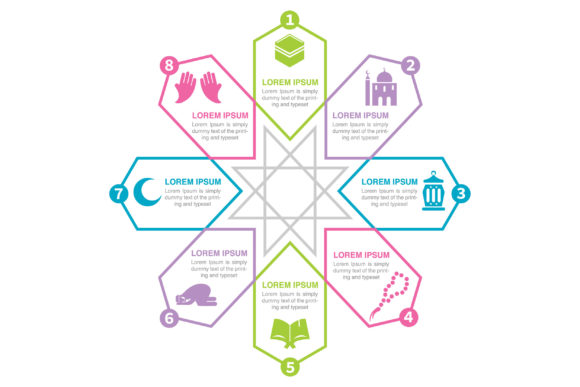
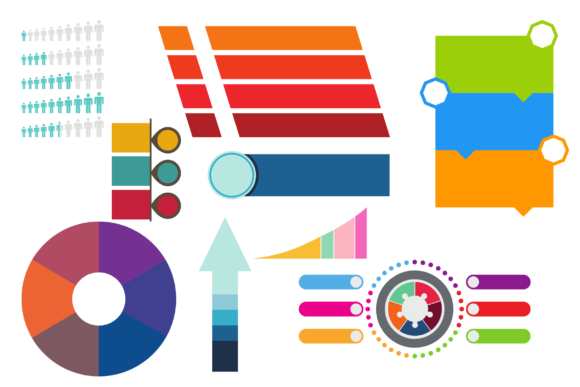
Upon first glance, Modern Multipurpose Infographic Elements exudes a modern, professional vibe. The vector elements are crisp, the color palette is balanced, and the overall style feels cohesive enough to fit into a wide range of design projects. This set is ideal for clients looking to communicate complex ideas simply—whether it’s a business process, a timeline, or a data visualization.
The design elements feel like they were crafted with real-world applications in mind. They’re not just decorative; they serve a purpose. This makes them perfect for small business branding, handmade brands, or seasonal campaigns where clarity and visual appeal are equally important.
Real-World Design Applications
When working on a client project for a local event promotion, I found that Modern Multipurpose Infographic Elements provided the perfect visual foundation. From posters to social media graphics, the elements helped create a unified look that felt polished and professional.
These assets work well in logo design, brand identity, product labels, packaging design, and even t-shirt design. Their clean lines and structured layout make them suitable for both digital and print formats. Whether you're creating a Canva template, a Cricut project, or a sticker design, these elements add a level of sophistication that elevates the final output.
For a recent Etsy product launch, I used parts of the set to create a series of printable wall art. The elements were easy to customize, and their scalability made them perfect for different sizes and resolutions. They also worked well with various font styles, from serif to display fonts, allowing for flexibility in the design direction.
Where It Shines: Large Layouts and Themed Campaigns
Modern Multipurpose Infographic Elements excels in large layout areas, such as hero graphics, product mockups, and campaign visuals. Their size and detail make them ideal for eye-catching displays that need to communicate information quickly and effectively.
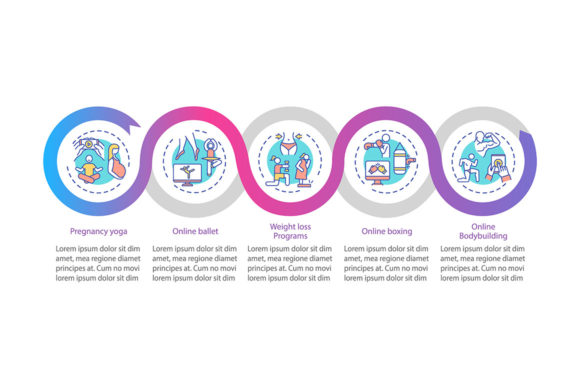
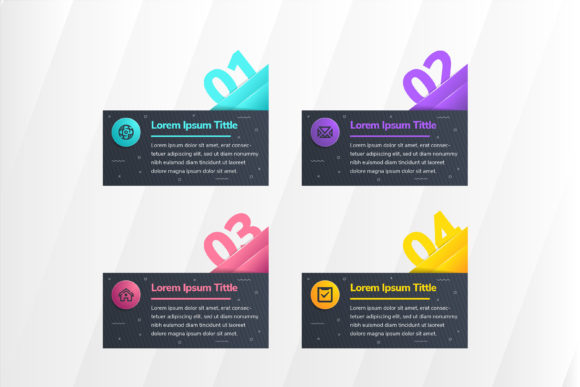
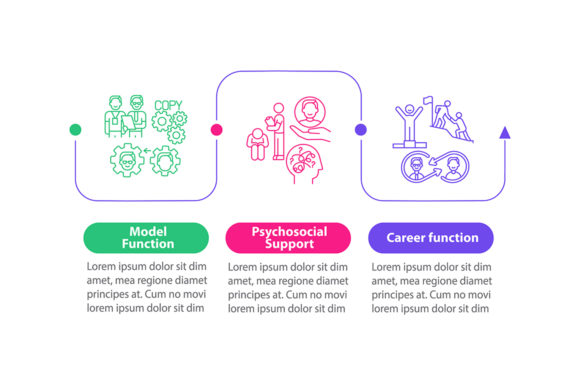
They also shine in themed collections, such as seasonal promotions or editorial design projects. The flowchart presentation template design and process timeline chart collection provide a structured approach to visual storytelling, making them valuable for marketing visuals and editorial layouts.
For a boutique product line, I used the icons pack to create a cohesive workflow layout that was both functional and aesthetically pleasing. These elements added a layer of professionalism that helped the brand stand out in a crowded market.
Where to Use With Caution: Minimalist and Corporate Projects
While Modern Multipurpose Infographic Elements is highly versatile, there are scenarios where it may not be the best fit. In minimalist branding or professional corporate materials, the elements might feel too busy or distracting. Their structured nature can clash with clean, simple designs that prioritize white space and subtle details.
Similarly, in low-contrast designs or crowded layouts, the elements may lose their impact. It’s important to test them in different contexts before committing to a project. For instance, when working on a website graphic or a digital ad, ensuring that the elements don’t overwhelm the overall composition is key.
Impact on Readability and Brand Consistency
One of the strengths of Modern Multipurpose Infographic Elements is how it supports visual hierarchy. The structured layout and clear lines help guide the viewer’s eye, making it easier to absorb information. This is especially useful in editorial design or marketing visuals where clarity is essential.
Consistency is another area where these elements excel. When used across multiple touchpoints—such as packaging design, social media posts, or printable designs—they create a unified brand presence. This helps build visual trust and recognition, which is crucial for small business branding and handmade businesses aiming to establish a strong identity.
Emotional appeal and audience engagement are also enhanced by the clean, modern aesthetic. These elements can evoke a sense of professionalism and reliability, which is important for commercial design and print-on-demand projects.
Practical Designer Notes: What to Check Before Use
Before using Modern Multipurpose Infographic Elements for a client project, there are several practical steps to take. Test it in black and white to see how it holds up without color. Check contrast on light and dark backgrounds to ensure visibility in different settings.
Preview it at small and large sizes to confirm scalability. Place it on real mockups to see how it interacts with other design elements. Test print quality if it’s intended for physical use, and review file formats to ensure compatibility with your workflow.
If PNG transparency is included, inspect it carefully to avoid unwanted background artifacts. For SVG design or vector elements, verify that they are editable and scalable without loss of quality. Compare the elements with different font styles to find the best match for your project’s tone and personality.
Finally, always confirm commercial licensing before using the asset for a client or business project. This ensures that you’re compliant and avoids potential legal issues down the line.
Conclusion: A Valuable Creative Asset for Diverse Projects
Modern Multipurpose Infographic Elements is more than just a design bundle—it’s a tool that can elevate a wide range of creative projects. Whether you're working on a handmade business, a seasonal campaign, or an online product launch, this set offers the flexibility and polish needed to deliver professional results.
Its ability to support visual hierarchy, brand consistency, and audience engagement makes it a valuable addition to any designer’s arsenal. By understanding its strengths and limitations, you can use it strategically to enhance your design work and meet your client’s needs effectively.